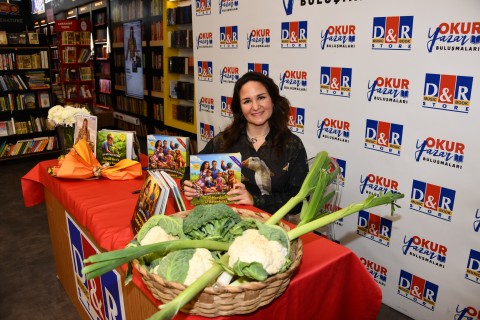


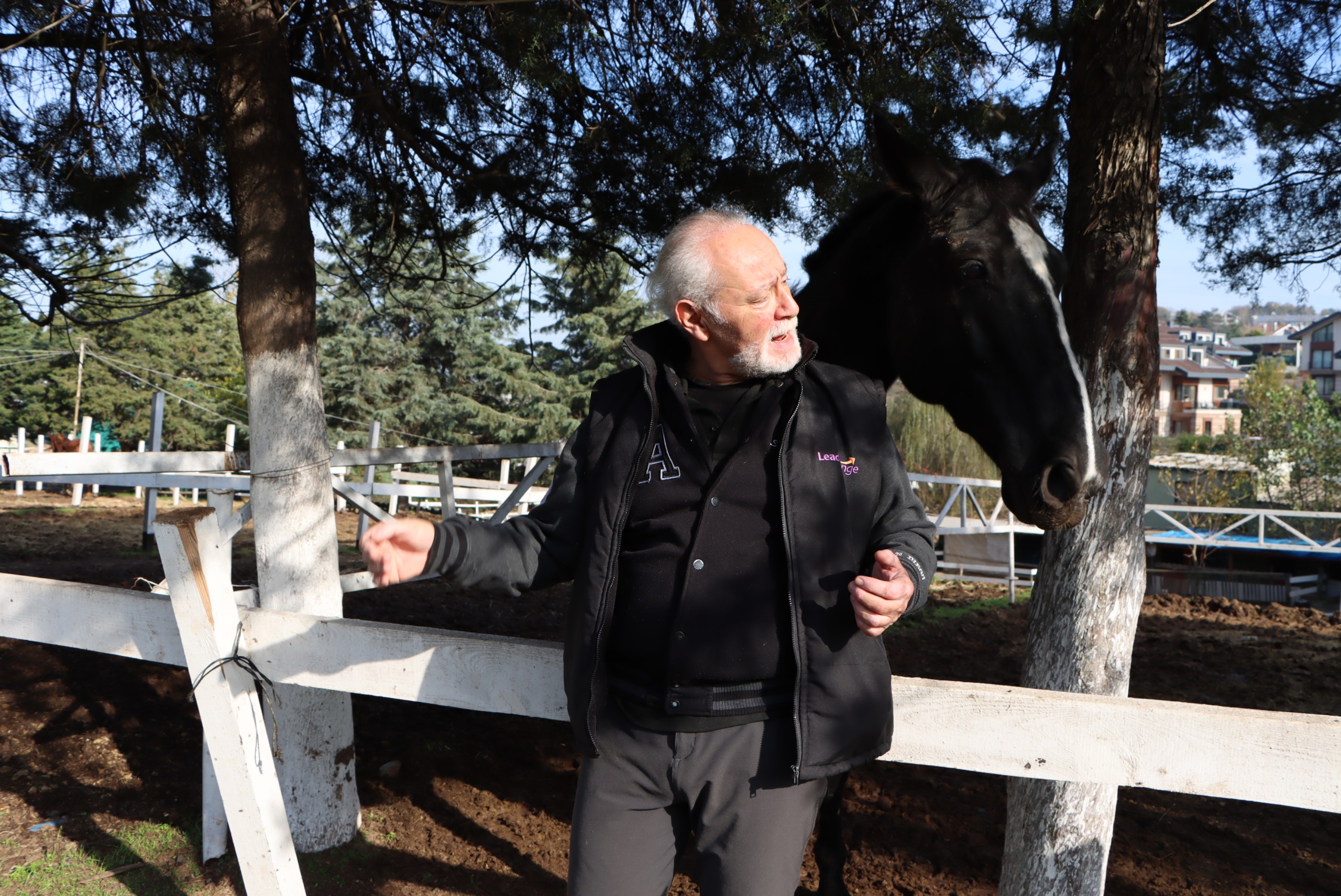
İnsanlara Fısıldayan At, Özgür Ruh ve Hors Şit Hezeyan kitaplarının yazarı… Bir at aşığı… Aynı zamanda Boğaziçi Üniversitesinden mezun uluslararası şirketlerde üst düzey yöneticilik yapmış bir isim sevgili Aydın Soysal… Uzun yıllardır at destekli deneysel öğrenim çalışmaları yapıyor… Onunla atlar, insan ve farkındalık üzerine harika bir söyleşi gerçekleştirdik. Keyifli okumalar dileriz…
Röportaj: Robin Tahir
Sizi uzun yıllar kurumsal dünyada üst düzey yöneticilik yapmış bir isim olarak tanıyoruz. Hayatınıza atlar nasıl girdi?
Aslında çocukluğumdan beri atlarla büyüyen biri değildim. Bizim kuşağımızda başarı, belirli bir rota üzerinden tanımlanıyordu: iyi bir üniversite, kurumsal kariyer, yöneticilik… Ben de uzun yıllar bu yolu izledim. 48 yaşında emekli olduktan sonra ilk kez gerçekten kendime zaman ayırabildim. Kızımı ata binmeye götürürken “Ben neden binmiyorum?” diye sordum kendime. O soru, hayatımda çok büyük bir kapı açtı.
MESELE BİNMEK DEĞİL, ATLA İLETİŞİM KURMAK
Bu kapı sizi atlarla deneysel eğitim çalışmalarına nasıl taşıdı?
At binmeyi öğrenmeye çalışırken şunu fark ettim: Mesele binmek değil, atla iletişim kurmaktı. Araştırırken yurt dışında Equine Facilitated Experiential Learning yani at destekli deneysel öğrenim alanıyla tanıştım. Amerika’da bu alanda çalışan bir uzmanın kampına katıldım. Hiç ata binmeden, sadece atla ilişki kurarak geçirilen 10 gün… Bildiğimi sandığım pek çok şeyin aslında ne kadar yüzeysel olduğunu orada fark ettim.
 Deneysel öğrenim tam olarak neyi kapsıyor?
Biz burada bir şey öğretmiyoruz, bir deneyim alanı yaratıyoruz. Aynı dili konuşmadığınız, sizden çok daha büyük ve güçlü bir canlıyla yan yana geliyorsunuz. Ne isteyeceğinizi biliyor musunuz? Kendinizi ifade edebiliyor musunuz? Karşıdan gelen sinyalleri okuyabiliyor musunuz?
At bu sorulara çok net cevap verir. Anlamıyorsa gider. Güvende hissetmiyorsa yaklaşmaz. Bu da insanın kendi davranış kalıplarıyla yüzleşmesini sağlar.
Deneysel öğrenim, birinin karşısına geçip “şöyle yapmalısın” demek değildir. Burada bilgi aktarımı yok, deneyim yaratma vardır. Kişi, bir durumun içine girer ve kendi davranışlarını orada fark eder. Bizim yaptığımız çalışmalarda at, bu deneyimin merkezinde yer alır.
Atla karşılaştığınızda, sizi yönlendiren hazır kurallar yoktur. Ne yapacağınızı, nasıl yaklaşacağınızı, ne zaman duracağınızı sizin belirlemeniz gerekir. İşte bu noktada insanın otomatik davranış kalıpları ortaya çıkar: Kontrol etmeye mi çalışıyorsunuz, beklemeyi mi seçiyorsunuz, karşı tarafın tepkisini okuyabiliyor musunuz?
At, bu davranışlara anında ve filtresiz geri bildirim verir. Anlamıyorsa uzaklaşır, güvende hissetmiyorsa yaklaşmaz. Bu geri bildirim sözlü değildir ama çok nettir. Kişi, atın tepkisi üzerinden kendi iletişim biçimini, liderlik anlayışını, sınır koyma ve iş birliği becerilerini görme fırsatı bulur.
Bu farkındalık, anlatılan bir bilgiden çok daha kalıcıdır. Çünkü kişi o anın içinde bizzat kendisi vardır.
Biz burada atı bir araç olarak değil, öğrenme sürecinin aktif bir parçası olarak kabul ederiz. Amaç atı yönlendirmek değil, onunla birlikte bir ilişki kurmayı öğrenmektir.
Bu yüzden at destekli deneysel öğrenim; iletişim, liderlik, takım çalışması, sınır koyma, güven ve empati gibi pek çok beceriyi, teorik anlatımlardan çok daha derin ve gerçek bir şekilde görünür kılar.
ATLA YAŞANAN DENEYİM, İŞ HAYATINA, AİLE İLİŞKİLERİNE VE GÜNDELİK YAŞAMA BİREBİR YANSIR.
Bu çalışmalar özellikle yöneticiler ve ekipler için neden bu kadar etkili?
Çünkü at inanılmaz bir aynadır. İnsanlar ekip çalışması yaptıklarını sanırken plansız olduklarını, iletişim kurduklarını düşünürken aslında dinlemediklerini fark ederler. Biz bunu söylemeyiz, at gösterir.
Sonra şu farkındalık gelir, “Ben bunu iş hayatımda da böyle yapıyorum.”
Atla yaşanan deneyim, iş hayatına, aile ilişkilerine ve gündelik yaşama birebir yansır.
Atlarla yapılan çalışmaların terapi boyutu dünyada giderek daha fazla konuşuluyor. Siz bu alanda nasıl bir yerde duruyorsunuz?
Bunu özellikle netleştirmek isterim. Ben terapist değilim.
Atla terapi çok ciddi bir alandır ve mutlaka bir ekip işi olmalıdır. Terapist, atı çok iyi tanıyan bir uzman ve güvenli bir ortam gerekir. Benim yaptığım şey gözlemlemek, deneyime alan açmak ve doğru uzmanlara yönlendirmektir.
Ancak şunu söyleyebilirim. Atla temasın kendisi zaten güçlü bir düzenleyicidir. Buraya gelen pek çok insan, “ilk defa bu kadar derin uyudum” diye geri dönüş yapar. Bu, göz ardı edilemez bir etki.
Otizm ve nöroçeşitlilik alanında paylaştığınız örnekler de çok çarpıcı. Bu konuda sizi en çok etkileyen ne oldu?
Otizmi bir eksiklikten ziyade farklı bir insan deneyimi olarak görmeyi tercih ediyorum. Bu alanda beni en çok etkileyen isimlerden biri Temple Grandin. Kendisi otizmli bir akademisyen ve hayvan davranışları uzmanı. Hayatını anlatan Temple Grandin filmini herkesin izlemesini öneririm.
Bir diğer çok etkileyici belgesel ise “The Horse Boy”. Otizmli bir çocuğun atlar üzerinden dünyayla kurduğu bağı anlatır. Bu filmler, at–insan ilişkisinin ne kadar derin ve dönüştürücü olabileceğini çok iyi gösteriyor.
ATLAR BANA ÇOK DA ÖNEMLİ OLMADIĞIMI ÖĞRETTİ.
Atlar size kişisel olarak ne öğretti?
Çok da önemli olmadığımı öğretti. Egonun, unvanların, rollerin ne kadar geçici olduğunu… Daha yavaşlamayı, durup bakmayı, “şu an ne oluyor?” diye sormayı öğretti. Hâlâ öğreniyorum, hâlâ hata yapıyorum ama fark etmek bile büyük bir adım.
Son olarak HealGlobe okurlarına mesajınız ne olur?
Kendinizi çok ciddiye almayın. Rutininizin dışına çıkın. İçinizde kalan yetenekleri kurcalayın. Ve bazen durun… Atların dediği gibi… Önce hisset, sonra adım at.
EN
A JOURNEY INTO THE MAGICAL WORLD OF HORSES
The author of İnsanlara Fısıldayan At (The Horse Who Whispers to People), Özgür Ruh (Free Spirit), and Horse Shit Hezeyan… A true horse lover… A graduate of Boğaziçi University who has held senior executive positions in international companies… For many years, Aydın Soysal has been conducting horse-assisted experiential learning practices. We had an inspiring conversation with him about horses, human nature, and awareness. We wish you an enjoyable read.
Interview: Robin Tahir
We know you as someone who spent many years in senior executive roles in the corporate world. How did horses enter your life?
I wasn’t someone who grew up with horses from childhood. In our generation, success was defined through a very specific route: a good university, a corporate career, management positions… I followed that path for many years. After retiring at the age of 48, I was able to truly make time for myself for the first time. One day, while taking my daughter to horseback riding lessons, I asked myself, “Why am I not riding?”
That question opened a very big door in my life.
IT’S NOT ABOUT RIDING, IT’S ABOUT COMMUNICATING WITH THE HORSE
How did that door lead you to equine-facilitated experiential learning?
While trying to learn how to ride, I realized something: the issue wasn’t riding; it was communicating with the horse. While researching, I came across Equine Facilitated Experiential Learning abroad. I attended a camp run by a specialist in this field in the United States. Ten days spent without riding at all—just communicating with the horse…
There, I realized how superficial many of the things I thought I knew actually were.
What exactly does experiential learning involve?
We don’t teach anything here; we create a space for experience. You stand next to a living being that does not speak your language and is much bigger and stronger than you. Do you know what you want? Can you express yourself? Can you read the signals coming from the other side?
The horse gives very clear answers to these questions. If it doesn’t understand, it walks away. If it doesn’t feel safe, it won’t approach. This allows a person to confront their own behavioral patterns.
Experiential learning is not about standing in front of someone and saying, “You should do this.” There is no transfer of information here; there is the creation of experience. A person enters a situation and notices their own behaviors within it. In our work, the horse stands at the center of this experience.
When you encounter a horse, there are no ready-made rules guiding you. You have to decide what to do, how to approach, and when to stop. At this point, a person’s automatic behavior patterns emerge: Are you trying to control? Are you choosing to wait? Can you read the other’s reaction?
The horse gives instant and unfiltered feedback to these behaviors. If it doesn’t understand, it moves away; if it doesn’t feel safe, it doesn’t approach. This feedback is not verbal, but it is very clear. Through the horse’s responses, a person has the opportunity to see their own communication style, leadership approach, boundary-setting, and cooperation skills.
This awareness is far more lasting than information that is merely explained. Because the person is physically and emotionally present in that moment.
We do not see the horse as a tool, but as an active part of the learning process. The aim is not to direct the horse, but to learn how to communicate with it.
That is why equine-facilitated experiential learning makes skills such as communication, leadership, teamwork, boundary-setting, trust, and empathy visible in a much deeper and more authentic way than theoretical explanations ever could.
THE EXPERIENCE WITH THE HORSE DIRECTLY REFLECTS INTO WORK LIFE, FAMILY RELATIONSHIPS, AND DAILY LIFE.
Why are these practices especially effective for managers and teams?
Because the horse is an incredible mirror. People realize that while they think they are working as a team, they are actually unplanned; while they believe they are communicating, they are not really listening. We don’t say this—the horse shows it.
Then comes the realization: “I do this the same way in my work life.”
The experience with the horse directly reflects into work life, family relationships, and daily life.
The therapeutic dimension of working with horses is being discussed more and more around the world. Where do you position yourself in this field?
I want to clarify this very clearly: I am not a therapist.
Equine therapy is a very serious field and must absolutely be a team effort. It requires a therapist, a specialist who knows horses very well, and a safe environment. What I do is observe, create space for experience, and guide people toward the right experts.
However, I can say this: contact with a horse itself is already a powerful regulator. Many people who come here say, “I slept deeply for the first time.” This is an effect that cannot be ignored.
The examples you share in the field of autism and neurodiversity are also very striking. What has affected you the most in this area?
I prefer to see autism not as a deficiency, but as a different human experience. One of the people who has influenced me the most in this field is Temple Grandin. She is an autistic academic and an expert in animal behavior. I recommend everyone watch the film Temple Grandin, which tells her life story.
Another very powerful documentary is The Horse Boy. It tells the story of an autistic child building a connection with the world through horses. These films show very clearly how deep and transformative the horse–human relationship can be.
HORSES TAUGHT ME THAT I AM NOT THAT IMPORTANT.
What have horses taught you personally?
They taught me that I am not that important. That ego, titles, and roles are all temporary… They taught me to slow down, to pause and look, and to ask, “What is happening right now?” I am still learning, still making mistakes—but even noticing this is a big step.
Finally, what would your message be to HealGlobe readers?
Don’t take yourself too seriously. Step outside your routine. Explore the talents you’ve left untouched. And sometimes, just stop…
As horses say…
First feel, then take a step.