

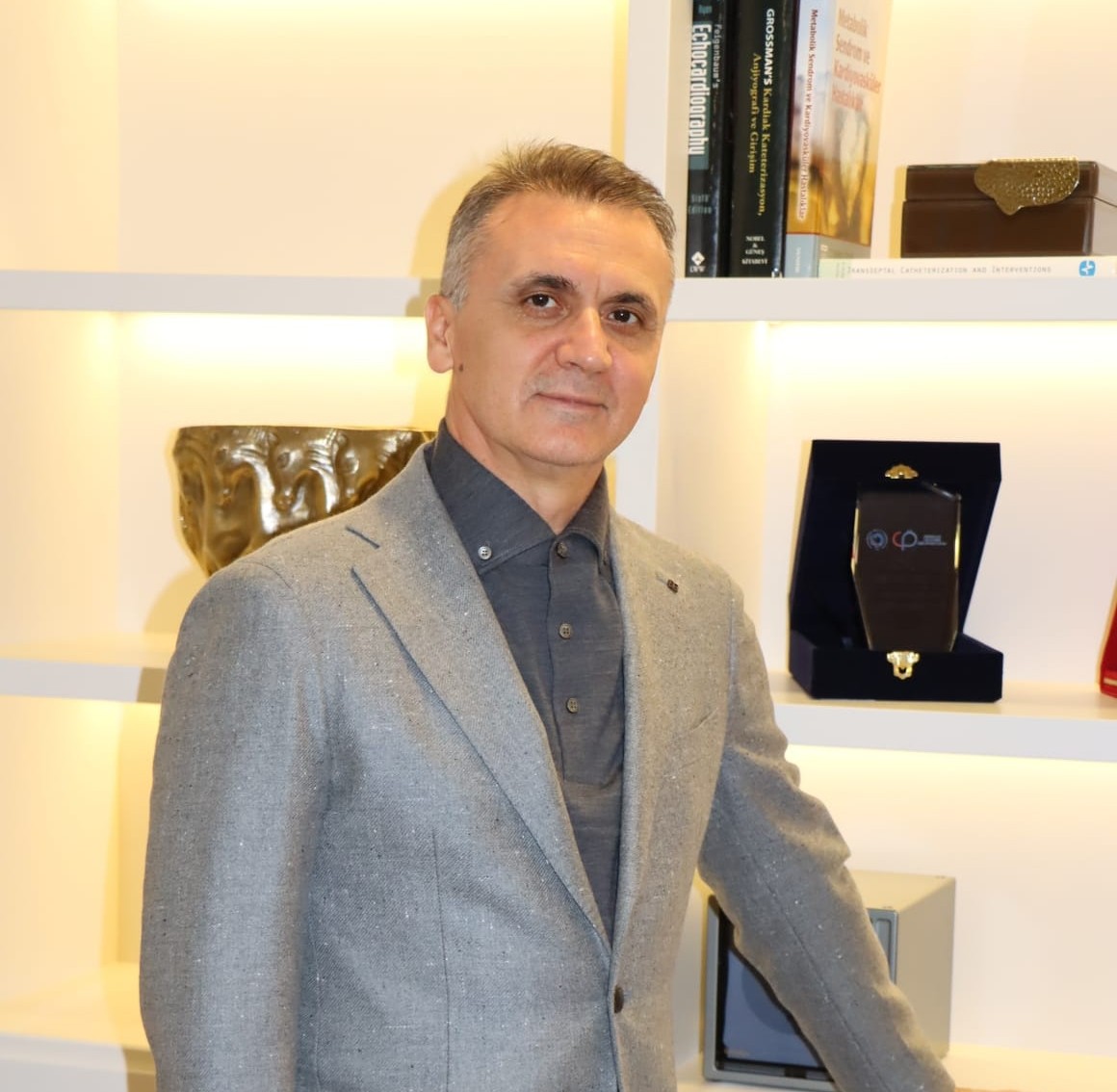
31 yıllık bir hekimlik hayatı… Binlerce vaka deneyimi… Bildiklerini anlatmak ve tecrübelerini başka hekimlere de aktarmak için kat edilen kilometrelerce yol… Doğru bildiğinden şaşmayan, akademik başarışını vicdani denge ile destekleyen ve genç hekimlere yol açmayı misyon edinen bir bilim insanı… Uzun yıllardır uyguladığı girişimsel kapak tedavileri ile dünyanın birçok noktasında Türkiye’yi temsil eden Doç. Dr. İsmail Ateş’le başarı yolculuğunu, hayat felsefesini, insan olmayı ve hayatı konuştuk…
Röportaj: Robin Tahir
Tıp yolculuğunuzda “İyi Hekim Oldum” dediğiniz an ne zamandı?
Bir hekim bunu tek başına söyleyemez. Ben 31 yıllık hekimim ama bunun takdirini benim yapmam doğru olmaz. Bunu hastalarım ve meslektaşlarım söylerse anlamlıdır. Hiçbir hekim kendine “ben çok iyi bir hekim oldum” diyemez. Bizim meslekte “oldum” diye bir kavram yoktur. Sürekli “daha iyi nasıl olabilirim?” sorusu vardır. Çünkü tıp, her geçen gün yenilenen bir alan. Siz de sürekli kendinizi yenilemek zorundasınız.
İyi hekim olmak için iyi insan olmanız lazım.
İyi hekim olmak için önce iyi insan olmanız gerekir. Çok şey bilebilirsiniz ama iyi hekim olmak bambaşka bir şeydir. İnsanların tamamına en iyi tedaviyi vermek, hepsini tedavi etmek mümkün değildir. Hiçbir meslekte yüzde yüz, mükemmel sonuç diye bir kavram yoktur. Biz kendimize şunu sorarız: “Ne yaptık, ne kadar insana faydalı olduk?” Çoğunlukta fayda üretebildiğimizi gördüğümüzde doğru bir yolda olduğumuzu anlarız.
İnanmadığım hiçbir tedaviyi hastalarıma uygulamam.
Akademik başarı ile vicdani denge arasında nasıl bir denge kuruyorsunuz?
Kalp kapak tamirleriyle ilgili proktorluk, eğitmenlik ve gözetmenlik görevlerim var. Türkiye’de, Orta Doğu’da, Orta Asya’da, Afrika’da ve Doğu Avrupa’da birçok ülkede çalışıyorum. Bazen gittiğimiz yerlerde şunu görüyorsunuz. Oradaki meslektaş, o an için hastayı tedavi edecek yeterli deneyime sahip olmayabiliyor. O noktada benim önceliğim şudur. Orada yatan bir insan var. O insanın hayatının güvenli şekilde korunması ve işlemin en iyi sonuçla tamamlanması, akademik öğretimden daha önceliklidir. İşte denge dediğimiz şey tam olarak budur. Her şeyi tamamen bırakabilirsiniz ama sonucu kestiremezsiniz. Hasta güvenliği ve hasta hayatı söz konusuysa akademik öncelikler ikinci planda kalır.
Akademik tarafta mümkün olduğunca kanıta dayalı ilerleriz. Bunun yanında, bir konu üzerinde uzun süre çalışıyorsanız, uzman görüşünüz ve tecrübeniz de devreye girer. Asıl denge; kanıt, deneyim ve uzman görüşünü birlikte değerlendirebilmektir. Ben hastaya yaklaşırken hep şunu düşünürüm:
Masada yatan ben olsaydım ne isterdim? Annem ya da babam olsaydı ne yapardım? İnanmadığım hiçbir tedaviyi hastalarıma uygulamam.
İnsanlara umut olmak çok önemli bir şey.
Bir hastaya “git evine, bekle” demek benim için çok zor. Elbette bazı uç durumlar vardır ama umut varsa, ben onu zorlarım. Çünkü denemeden faydalı olup olmayacağını bilmek mümkün değildir.
Bazı tedaviler maliyetli olduğu için, istenilen sonucu alamadığınızda eleştiriyle karşılaşabilirsiniz. Ama eğer birkaç insanın hayatı kurtulacaksa, kalan ömrünü daha rahat yaşayacaksa, ben o riski alırım.
Çünkü bir evde hasta varsa, hasta sadece o kişi değildir; herkes hastadır.
Anne, baba ya da eş hastaysa, tüm hayat ona göre şekillenir. Kariyer planları, yaşam tercihleri buna göre değişir.
İstanbul’da 75 yaşında bir hastamız vardı. Ciddi kalp yetmezliği ve kapak sorunu vardı. Tedavi ettik. Bir yıl sonra kızı LinkedIn’de Avrupa’ya atandığını paylaştı. Tebrik ettim. Bana şu cevabı yazdı:
“Hocam, siz sadece babama rahat bir hayat kazandırmadınız, beni de özgür bıraktınız. Babamın hastalığı nedeniyle İstanbul’dan ayrılamıyordum. Artık kendi kendine yetebiliyor. Uzun zamandır gelen teklifi kabul edip Avrupa’ya taşındım.”
Tedavi ettiğinizde sadece hastayı değil, bütün aileyi tedavi ediyorsunuz. Bu yüzden sorumluluk çok ağır.
Mesleğinizde size bugün bulunduğunuz noktaya taşıyan en kritik karar neydi?
Antalya’da üniversite dışında girişimsel kardiyolojiyi ilk kuran kişiyim. O dönem ne hemşirem vardı ne teknisyenim. Hastalar yoğun bakımdayken yan odada günlerce kendim bekledim. Teknisyenin yapması gereken pek çok işi kendim yaptım.
Kalp kapak tamiri işlerine nasıl başladınız?
2008’de bu işe başladım. Çok sayıda çaresiz hasta vardı; kalp yetmezliği ve kapak sorunu olan ama çözüm sunulamayan hastalar… Avrupa’da bir kongrede klip tedavisini gördüm ve “Bu Türkiye’ye gelecek, bunu yapmam lazım” dedim. O günden itibaren hastalarımı biriktirmeye başladım.
2014’te herkes ev, araba alırken ben çok yüksek maliyetle taşınabilir, 3 boyutlu görüntüleme yapabilen eko cihazı aldım. Planım şuydu: Hastayı bana getirmek değil, teknolojiyle hastanın yanına gitmek.
Bugün mitral ve triküspit kapak yaklaşımının ülkemizde geldiği noktada, o kararların ne kadar belirleyici olduğu görülüyor. Biz Avrupa’nın gerisinde kalmadık; bir yol açtık.
Hekimlikte “el vermek” çok önemli. Tüm hastaları ben tedavi edemem ama tedavi edebilecek insanların çoğalmasına katkı sunabilirim. Keşke bu yöntemler SGK kapsamına girse ve herkes faydalanabilse.
Oldukça yoğun bir temponuz var. Bir haftanız nasıl geçiyor?
Bu tempo dışarıdan seyahat gibi görünebilir ama ciddi bir sorumluluk içeriyor. Bu hafta Ankara’da başlayıp Antalya’da hastalarımı gördüm. Hafta ortasında Kazakistan’da kalp kapak tamiri yaptık. Eksi 15 derecede, buz üzerinde 6 saat gidiş–6 saat dönüş yol aldık. Ardından İstanbul’a, sonra tekrar Antalya’ya döndük. Bazen yüzlerce kilometreyi tek bir hastaya yardımcı olmak ve meslektaşlarımızla bilgi ve tecrübelerimizi paylaşmak için gidiyoruz. Bu bir eğlence değil; hekimliğin doğal yükü.
Hekimlik mesleği aslında bir sanat
Başarı tanımı sizin için bir yolculuk mu yoksa bir sonuç mu?
Başarı benim için bir sonuç değil, sürekli devam eden bir yolculuk.
Ya kimsenin yapmadığını yaparsınız ya da herkesin yaptığını en iyi siz yaparsınız. Zamanla insanlar “Bu konuda referans kişi bu” diyorsa, işte başarı budur.
Başarılı olanlar genellikle farklı düşünen, adanmış ve yılmadan devam eden insanlardır. Başlangıçta eleştirilirler, hatta alay edilir. Ama devam edenler sonunda yol açar. Liderlik de tam olarak budur.
“Bence” ile tıp yapılmaz.
Günümüzde bilgi kirliliği de çok fazla, tıpta magazini de çok görüyoruz artık. Mesela kolesterol meselesi tam bir magazin gündemi gibi… Sizin bu konudaki yaklaşımınız nasıl?
Akıl, bilim ve iyi insan olmak birbiriyle çelişmez. Kılavuzlar bize yolu gösterir ama en üst soru şudur: Karşımdaki ben olsaydım ne isterdim?
Kendinize uygulamayacağınız bir tedaviyi hastaya önermemelisiniz. “Bence” ile tıp yapılmaz. Ben magazinle değil, veriyle konuşurum. Bilimsel veri ya da uzun süreli klinik deneyim yoksa görüş bildirmem. Kanıta dayalı tıp, hastaya saygının bir parçasıdır.
Günümüz dünyasında insanın en büyük sağlık sorunu ne?
Stres. Daha doğrusu stresi yönetememe.
Sizi ayakta tutan temel hayat felsefeniz nedir?
Birincisi beklentisizlik. İşimi en iyi şekilde yapıyorum ama karşılığında bir şey beklemiyorum. Bu bana özgürlük verdi. İkincisi, insanlardan her şeyi bekleyebilmek. Bunu kabullendiğinizde, hayatta sizi sarsacak çok az şey kalıyor.
Yoğun temponuzun içinde ailenize nasıl vakit ayırıyorsunuz?
Aile benim için birinci sırada. En rahat ettiğim yer evim. Ne kadar yoğun olursa olsun, insanın kökü ailesidir.
İnsanlığın en çok neye ihtiyacı var?
Hoşgörü ve anlayış. İnsanların birbirini anlaması lazım. Ön yargısız… Yargılamadan…
İnsanlık adına umutlu musunuz?
Umudunu kaybeden her şeyini kaybeder.
Genç hekimlere ne tavsiye edersiniz?
İnsanlarla olmayı sevmiyorlarsa klinik hekimlik yapmasınlar. Empati kurabilmek, iyi insan olabilmek bu mesleğin temelidir. Aksi hâlde para kazanılacak başka pek çok meslek var. Tavsiyem şu, insanlarla olmayı, insanlarla sohbet etmeyi, insanlarla bazen yeri geliyor katlanmayı sevmiyorlarsa, insanlarla diyalog halinde olmayı sevmiyorlarsa, özellikle bizim gibi klinik branşlarda hekimlik yapmasınlar. İyi insan olmayı hekimlik etiketinin önüne koyabilmeli ve empati yapabilmeliler. Ayrıca hekimlik yaparken öncelikleri para kazanmak olmasın.
Hobileriniz neler? Boş vakitlerinizi nasıl geçiriyorsunuz?
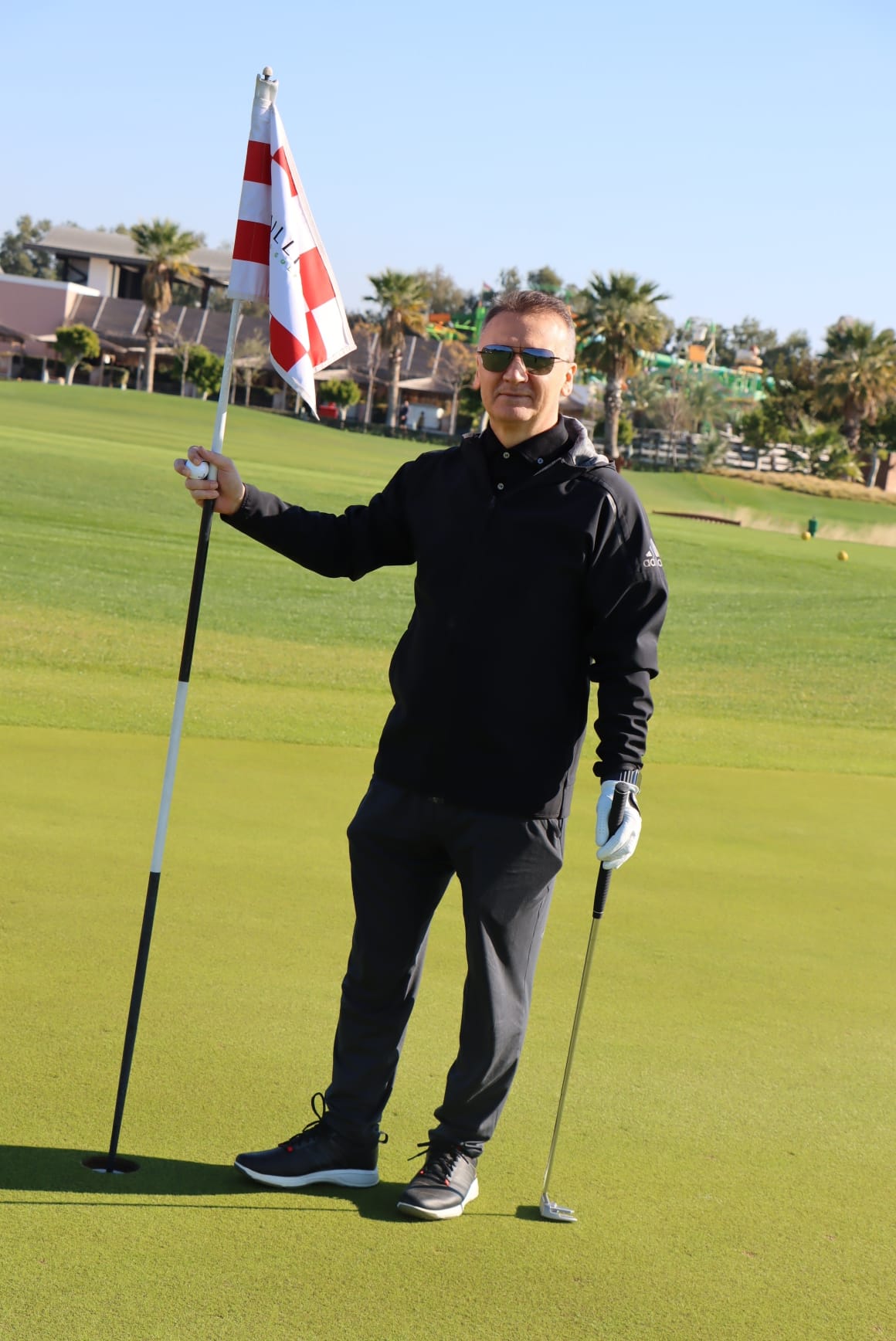
Haftasonları vakit buldukça ailemle birlikte golf oynamayı çok seviyorum. Hem çok iyi bir stres yönetim sporu hem de ailemle birlikte yapabiliyor olmak büyük bir lüks. Hem bedensel hem de mental sağlık açısından herkesin vakti ve imkanları doğrultusunda hobilerine vakit ayırması önemli.
EN
Assoc. Prof. Dr. İsmail Ateş
“To Be A Good Physician, You Must First Be A Good Human Being.”
He has spent 31 years in medicine… Thousands of clinical cases… Countless kilometers traveled to share knowledge and pass experience on to fellow physicians… A scientist who never compromises on what he believes is right, supports academic achievement with ethical balance, and considers opening paths for young doctors a personal mission…
We spoke with Assoc. Prof. Dr. İsmail Ateş, who has represented Türkiye in many parts of the world through the interventional valve procedures he has practiced for many years, about his journey of success, his philosophy of life, humanity, and life itself.
INTERVIEW: Robin Tahir
During your medical journey, when did you say to yourself, “I have become a good physician”?
A physician cannot say this on their own. I have been practicing medicine for 31 years, but it would not be right for me to make that judgment myself. It only becomes meaningful if my patients and colleagues say it.
No physician can say, “I have become a very good doctor.” In our profession, there is no such thing as “I have arrived.” There is only the constant question: How can I become better?
Because medicine is a field that renews itself every single day, and you are obliged to renew yourself along with it.
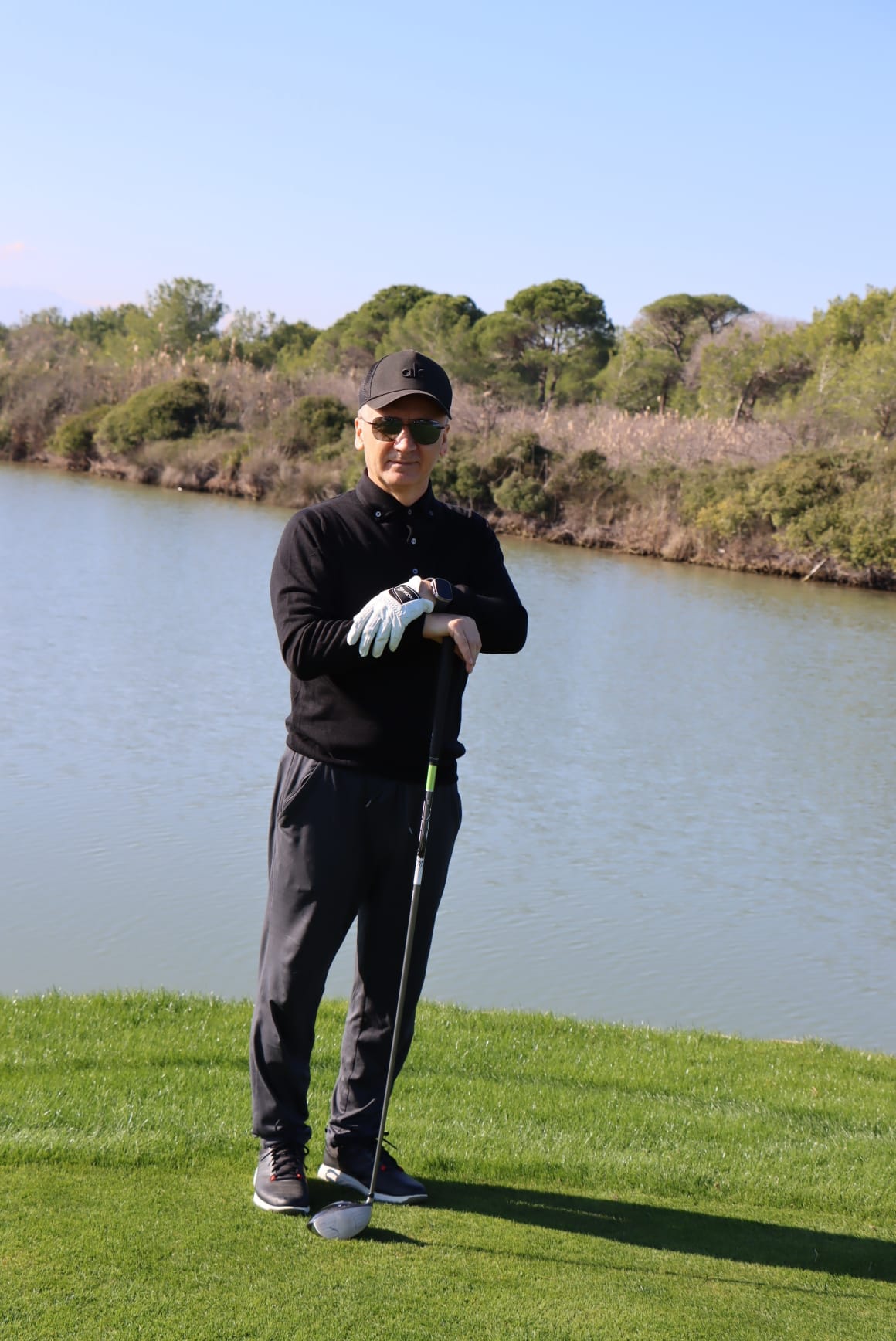
To be a good physician, you must be a good human being.
To be a good physician, you must first be a good human being. You may know a great deal, but being a good doctor is something entirely different. It is not possible to give the best treatment to everyone or to heal everyone. There is no such thing as one hundred percent perfection or flawless results in any profession.
We ask ourselves this question: What did we do, and how many people were we able to help?
When we see that we have created benefit for the majority, we understand that we are on the right path.
I never apply a treatment that I do not believe in to my patients.
How do you balance academic success with ethical responsibility?
I serve as a proctor, trainer, and supervisor in interventional valve repair procedures. I work in many countries across Türkiye, the Middle East, Central Asia, Africa, and Eastern Europe.
Sometimes, when you arrive at a center, you realize that the physician there may not yet have sufficient experience to treat that patient at that moment. At that point, my priority is very clear:
There is a human being lying there. Ensuring that this person’s life is protected safely and that the procedure is completed with the best possible outcome takes precedence over academic instruction.
This is exactly what we mean by balance.
You may leave everything entirely to someone else, but you cannot predict the outcome. When patient safety and a human life are at stake, academic priorities move to the background.
On the academic side, we proceed as evidence-based as possible. In addition, if you have worked on a subject for many years, your expert opinion and experience also come into play.
The real balance lies in evaluating evidence, experience, and expert judgment together.
When approaching a patient, I always ask myself this:
What would I want if I were the one lying on that table? What would I do if it were my mother or my father?
I never apply a treatment that I do not believe in to my patients.
Being a source of hope for people is incredibly important.
It is very difficult for me to say to a patient, “Go home and wait.”
Of course, there are extreme situations, but if there is hope, I push for it. Because without trying, it is impossible to know whether something will be beneficial.
Some treatments are costly, and when the desired outcome is not achieved, criticism may arise. But if a few more lives can be saved, if people can breathe more comfortably and live the rest of their lives with greater ease, I am willing to take that risk.
Because when there is a patient in a household, it is not only that person who is ill—everyone is affected.
If a parent or a spouse is ill, the entire life of the family is shaped around that reality. Career plans and life choices are all influenced by it.
We once had a 75-year-old patient in Istanbul with severe heart failure and serious valve disease. We treated him.
A year later, his daughter shared on LinkedIn that she had been appointed to a position in Europe. I congratulated her. She replied with the following message:
“Doctor, you didn’t just give my father a more comfortable life—you gave me my freedom as well. Because of my father’s illness, I couldn’t leave Istanbul. Now he can take care of himself, and I was finally able to accept a long-standing offer and move to Europe.”
When you treat a patient, you do not only treat that individual—you treat the entire family. That is why the responsibility is so great.
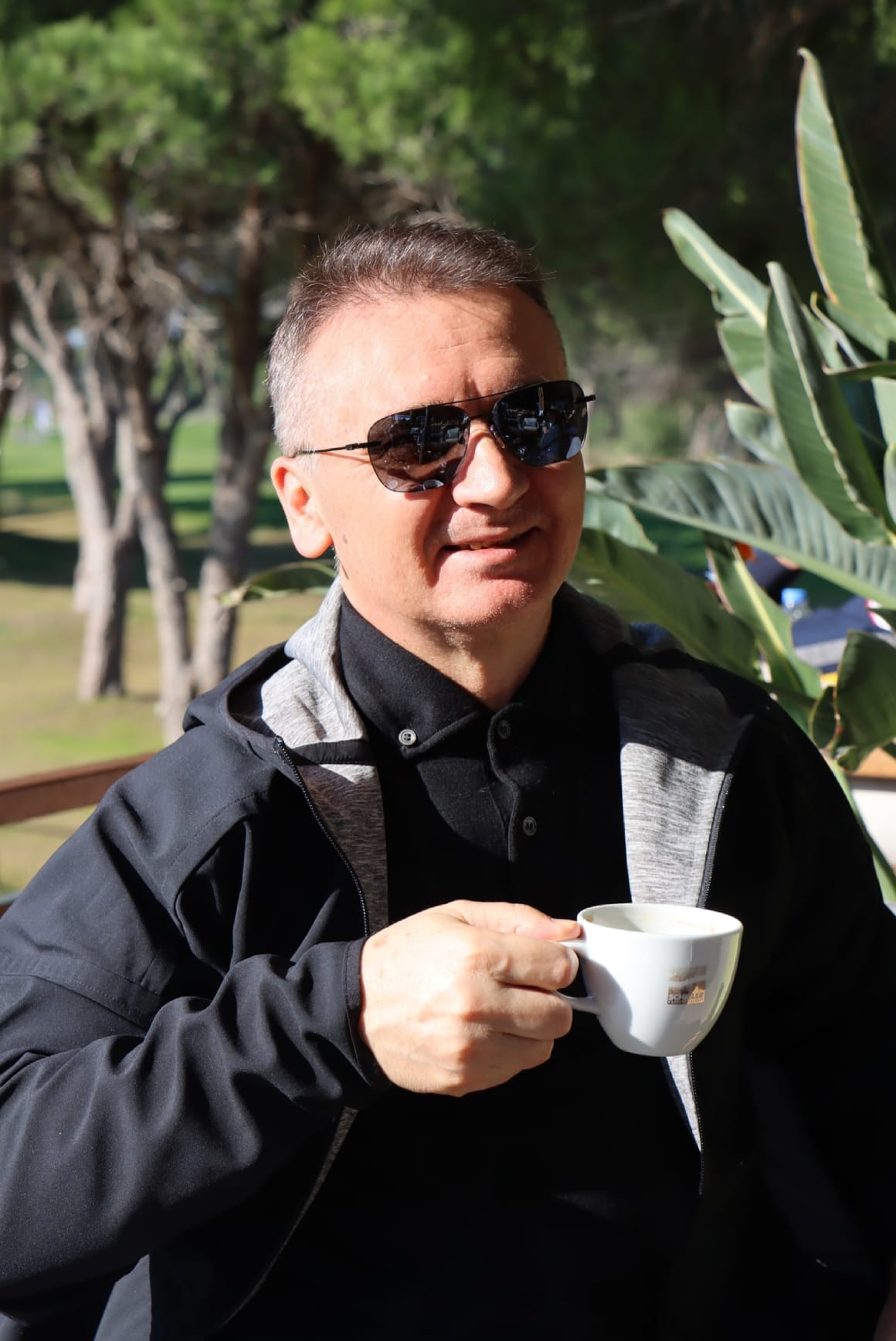
What was the most critical decision that brought you to where you are today?
I was the first physician to establish interventional cardiology outside a university setting in Antalya. At that time, I had neither a nurse nor a technician.
While my patients were in intensive care, I stayed in the room next door for days because there was no one else to look after them. I personally performed many of the tasks that would normally be done by a technician.
How did you begin working in interventional valve repair?
I started in this field in 2008. There were many desperate patients—people with heart failure and valve disease for whom no solution was being offered.
At a congress in Europe, I saw clip therapy and said to myself, This will come to Türkiye, and I need to do this. From that point on, I began identifying and following suitable patients.
In 2014, while others were buying houses or cars, I invested a significant amount in a portable echocardiography device capable of three-dimensional imaging.
My plan was simple: not to bring patients to me, but to reach patients through technology.
Looking at where mitral and tricuspid valve treatment has reached in our country today, it is clear how decisive those decisions were.
We did not fall behind Europe—we opened a path.
Passing on knowledge is essential in medicine. I cannot treat every patient myself, but I can contribute to increasing the number of physicians who can.
I wish these methods were covered by the national health system so that everyone could benefit from them.
You have an extremely busy schedule. What does a typical week look like?
This pace may look like travel from the outside, but it carries serious responsibility.
This week started in Ankara, continued with my patients in Antalya, and then took us to Kazakhstan for valve repair procedures.
At minus fifteen degrees Celsius, we traveled six hours each way on icy roads. Then we returned to Istanbul and later back to Antalya.
Sometimes we travel hundreds of kilometers to help a single patient or to share knowledge and experience with colleagues.
This is not leisure travel—it is the natural responsibility of being a physician.
Medicine is, in fact, an art.
Is success a journey or a destination for you?
For me, success is not a destination—it is a continuous journey.
You either do something that no one has done before, or you do what others do better than anyone else.
When people eventually say, “This is the reference person in this field,” that is success.
Those who succeed are usually people who think differently, devote themselves fully, and persist without giving up.
At the beginning, they are criticized, sometimes even mocked. But those who continue eventually open the way.
That is exactly what leadership is.
“Medicine cannot be practiced based on ‘I think.”
Today there is a great deal of misinformation, and medical topics are often turned into media spectacles. For example, cholesterol has become a headline issue. How do you approach this?
Reason, science, and being a good human being do not contradict one another.
Guidelines show us the path, but the ultimate question is always this: What would I want if I were the patient?
You should never recommend a treatment to a patient that you would not accept for yourself.
Medicine cannot be practiced based on “I think.”
I speak with data, not headlines. If there is no scientific evidence or long-term clinical experience, I do not express an opinion.
Evidence-based medicine is a form of respect for the patient.
What is the greatest health problem in today’s world?
Stress.
More precisely, the inability to manage stress.
What is the core philosophy that keeps you standing?
First, having no expectations. I do my job as well as I possibly can, without expecting anything in return. This has given me freedom.
Second, accepting that people are capable of anything. Once you internalize this, very little in life can truly shake you.
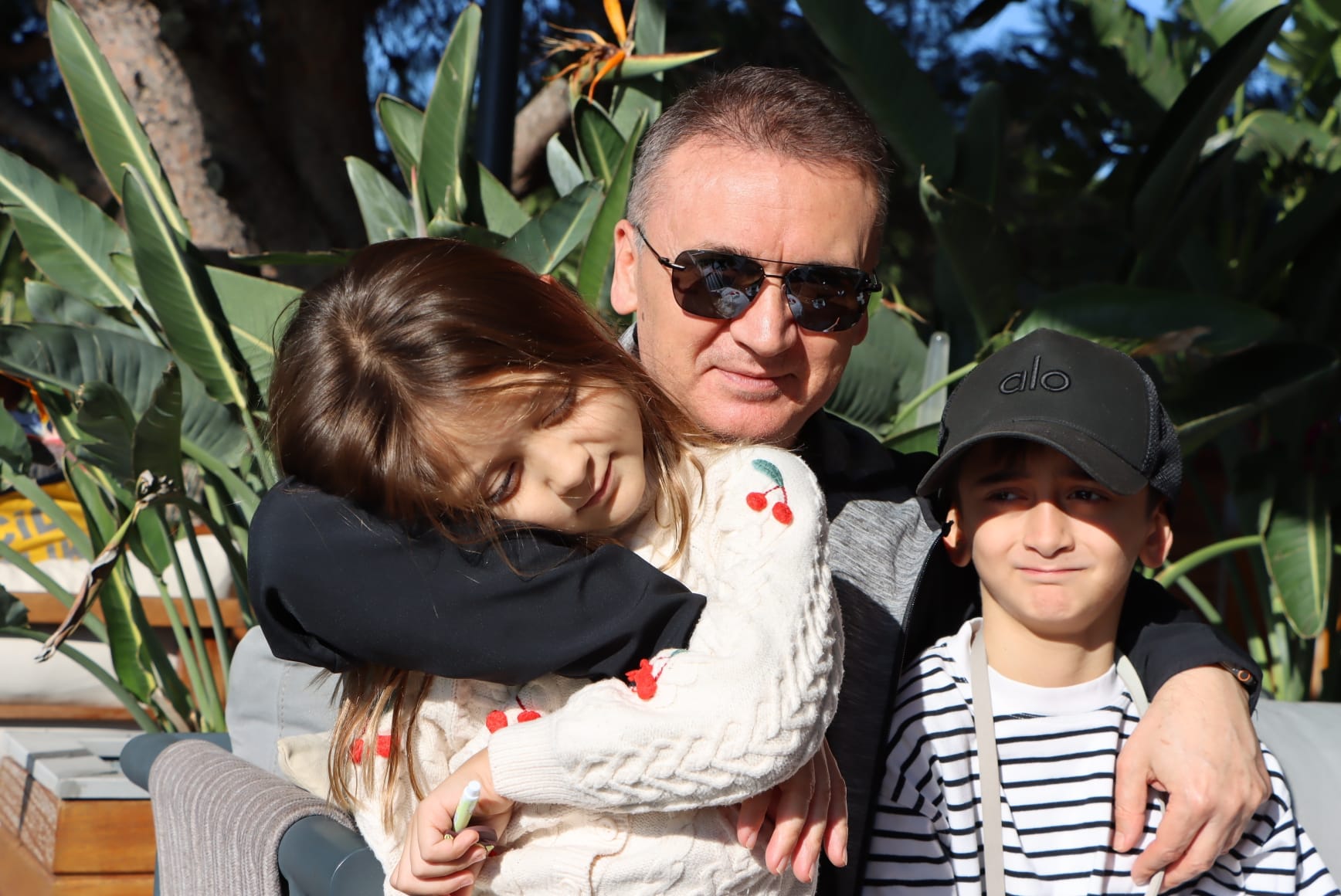
How do you make time for your family amid such a demanding schedule?
Family comes first for me.
The place where I feel most comfortable is my home. No matter how intense life becomes, a person’s roots are their family.
What does humanity need most today?
Tolerance and understanding.
People need to understand one another—without prejudice, without judgment.
Are you hopeful for humanity?
Those who lose hope lose everything.
What advice would you give to young physicians?
If they do not enjoy being with people, they should not pursue clinical medicine.
Empathy and being a good human being are fundamental to this profession.
Otherwise, there are many other ways to make money.
Physicians should be able to place being a good human being before the title of doctor and must be able to empathize.
They should also ensure that earning money is not their primary motivation while practicing medicine.
What are your hobbies? How do you spend your free time?
Whenever I find time on weekends, I love playing golf with my family. It is an excellent way to manage stress, and being able to do it together as a family is a great privilege.
From both a physical and mental health perspective, it is important for everyone to make time for hobbies within their means and opportunities.