

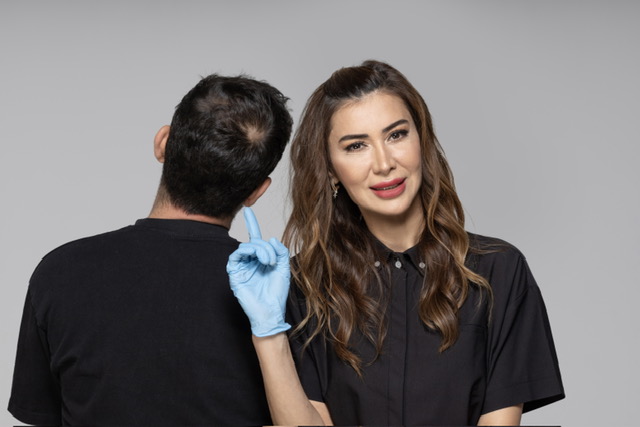
Önümüzdeki on yıl, saç ekimini yalnızca bir estetik operasyon olmaktan çıkarıp biyoteknoloji, robotik cerrahi ve yapay zekânın kesiştiği bambaşka bir çağa taşıyacak. Peki bu hızlı dönüşüm, yılların tecrübesi ve sanatsal bakışın yerini alabilecek mi, yoksa insan dokunuşunu daha da değerli hâle mi getirecek? Trawellmed Sağlık Turizmi Acentesi Kurucusu ve Songül Alcı Hairtransplant yöneticisi Songül Alcı, saç ekiminin geleceğinde teknolojinin gücü ile estetik sezginin nasıl birlikte var olacağını anlattı.
https://healglob.com/heal-globe-dergi-subat-2026/
Son otuz yılda saç ekimi, niş bir estetik prosedürden küresel bir endüstriye dönüştü. Türkiye, bu alanda önemli bir yere sahip. Ancak önümüzdeki on yıl, sektörde köklü değişimlerin yaşanacağı bir dönem olacak gibi görünüyor. Robotik cerrahi, biyoteknoloji ve yapay zekâ gibi yenilikler, bu alandaki geleneksel “el işçiliği ve tecrübe kavramını” tehdit mi edecek, yoksa onu yeni bir seviyeye mi taşıyacak.
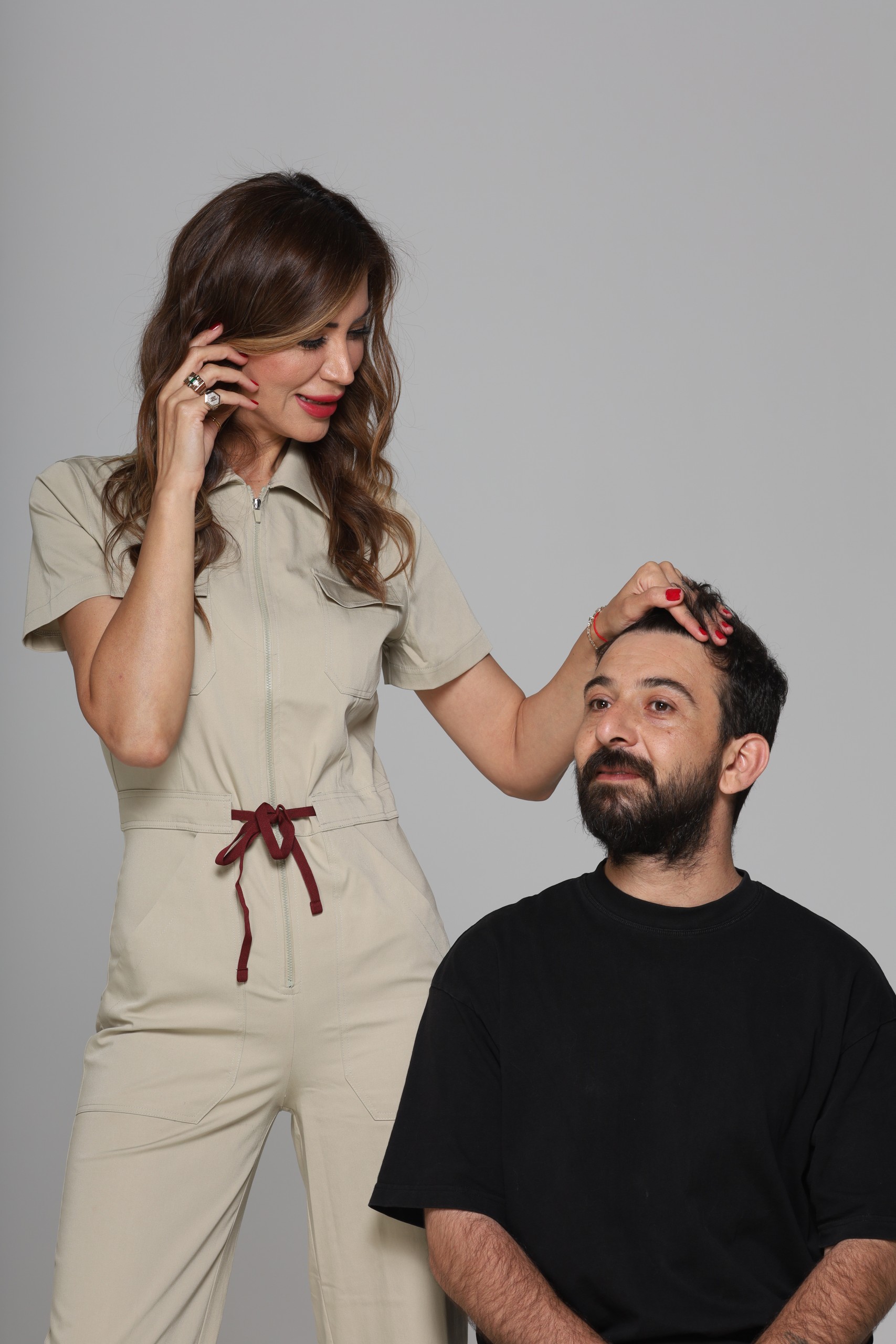
Önümüzdeki on yıl: biyoteknoloji devrimi ve donör sorunu
Mevcut saç ekimi teknolojisinin en büyük sınırlaması, donör (ense ve yan bölgeler) bölgesindeki saçların sınırlı olması bazen de yeterli olmamasıdır. Önümüzdeki on yıl boyunca beklenen en kritik beklenti, “Saç Klonlama” (Hair Multiplication) ve kök hücre tedavilerinin aktif bir şekilde kullanılabilir ve erişilebilir hale gelmesidir. Biyoteknoloji, sınırsız greft üretmeyi başarırsa, saç ekimi “var olan saçın başka bir alana nakil edilmesinden” “saç üretme ve saç dizaynına” dönüşecek.
Robot teknolojileri bu sanatın neresinde?
Saç ekimi, bugüne kadar bir estetik görüş ve tecrübe meselesi olarak kabul edildi. Estetik cerrahinin bir ameliyatı olan saç nakli, cerrahın da dokuyu hissetmesi, kişinin ölçülerini, yüz ve kafa yapısı özelliklerini, isteklerini bilerek estetik bir bütünlük sağlaması gerekiyordu. Peki son yaşanan gelişmelerle sisteme adapte edilmeye çalışılan robot teknolojileri bu sanatın neresinde?
Robotik sistemler greft alımında, kanal açılımında ve deri analizinde büyük bir avantaj sağlamayı vaad ediyor. Zahmetsiz bir şekilde binlerce grefti hatasız bir şekilde toplamayı, kanal açılımlarını gerçekleştirmeyi ve bunları belirli bir matematik işlemden geçirerek doğal saçların zarar görmemesini hedefleyen bu tip teknolojiler sektöre getireceği yeniliklerle bir çok kişiyi heyecanlandırsa da uzmanlar dokunun direnci, kanamanın kontrolü ve var olan saçların korunması gibi anlık karar gerektiren durumlarda insan dokunuşu ve aktivitesinin hala kritik olduğunu ve robotik sistemlerin bu yöndeki kaygıları gidermek için henüz çok yeni sistemler olduklarının altını çiziyor. Özetle robot takip eden ve asıl sağlıklı kararı veren yine bir insan olacaktır.
Yapay zeka saç ekiminde verimliliği artırabilir mi?
Tartışmaların bir diğer ucunda yer alan yapay zekâ, saç ekiminde verimliliği artırabilir, ancak aynı zamanda sektörü tek tipleştirme riski de taşıyor. YZ, belirli bir “ideal” algoritmasına göre çalışır ve herkese aynı “görece mükemmel” veya “katalogvari” saç çizgileri ve modellemelerle standardize edebilir. Bu durum, yüz karakteristiklerini ve kişisel ifadeyi yok edebilir. Bu bağlamda sektördeki en büyük risk, herkesin fabrikadan çıkmış gibi birbirine benzeyen saç çizgilerine sahip olmasıdır.
Saç çizgisi tasarımı, hem teknik hem de sanatsal bir süreçtir. Yüz hatlarına, saçın doğal yapısına ve kişinin tarzına uygun bir tasarım oluşturmak için hem teknik bilgi hem de sanatsal bir bakış açısı gerektirir.
Hastanın yüzüne uygun saç çizgisi çizmek, Leonardo da Vinci’nin “Altın Oran”ını kullanmak gibidir; teknik bilgi gerektirir, ancak sanatsal bir yorum için kişiyi tanıyıp isteklerini anlamlandırmak ve sonuca katmak şarttır. Yapay zekâ, binlerce başarılı sonucu analiz ederek ideal bir şablon önerebilir. Ancak hastanın yaşı, etnik kökeni, alın kaslarının yapısı ve hatta karakteri gibi soyut verileri yorumlamakta zorlanabilir veya onları belirli bir doğrultuda yönlendirebilir.
İnsan hassasiyeti üzerine hiçbir robot geçemeyecektir.
Uzmanların tahminine göre; gelecekte yapay zekâ, tabii ki, süreçte etkin rol oynayacak, uzmanlara farklı öneri taslakları sunacak, fakat son kararı yine uzmanın kendisi verecektir. Çünkü estetik, kusursuzluk değil, doğal kusurların uyumu olmalıdır. Robotların yaptığı standart bir çizgi, doğallıktan en uzak görüntüdür. Bu hassas işlemlerde insan hassasiyeti üzerine hiçbir robot geçemeyecektir.
Hastaların güvenmesi gereken şey makine değil, o makineyi yöneten uzmanın deneyim ve vizyonudur.
Hastalar “Robotik Saç Ekimi” ifadesini duyduklarında, hatasız ve ağrısız bir işlem hayal ediyorlar. Bu algı yönetimi, pazarlamanın güçlü bir silahıdır. Gerçekte ise, şu anki teknolojide robotlar tamamen özerk (otonom) değildir; uzmanların kullandığı gelişmiş birer asistandır. Robot, ehil olmayan ellerde sadece “hata yapma hızını artıran” bir makineye dönüşebilir. Hastaların güvenmesi gereken şey makine değil, o makineyi yöneten uzmanın deneyim ve vizyonudur.
EN
The Future of Hair Transplantation: The Collision of Art, Artificial Intelligence, and the Human Touch
The next decade will move hair transplantation beyond being just an aesthetic
operation into a completely different era where biotechnology, robotic surgery, and artificial intelligence intersect. But will this rapid transformation replace years of experience and artistic perspective, or will it make the human touch even more valuable? Songül Alcı, Founder of Trawellmed Health Tourism Agency and Manager of Songul Alci Hairtransplant, explained how the power of technology and aesthetic intuition will coexist in the future of hair transplantation.
https://healglob.com/heal-globe-magazine-feb26eng/
In the last thirty years, hair transplantation has transformed from a niche aesthetic procedure into a global industry. Turkey holds an important position in this field. However, the next decade appears to be a period where radical changes will occur in the sector. Innovations such as robotic surgery, biotechnology, and artificial intelligence raise the question: will they threaten the traditional concept of “manual craftsmanship and experience” in this field, or will they carry it to a new level?

The next ten years: the biotechnology revolution and the donor problem
The biggest limitation of current hair transplantation technology is that the hair in the donor area (nape and side regions) is limited and sometimes insufficient. The most critical expectation over the next ten years is for “Hair Cloning” (Hair Multiplication) and stem cell treatments to become actively usable and accessible. If biotechnology succeeds in producing unlimited grafts, hair transplantation will transform from “transferring existing hair to another area” into “hair production and hair design.”
Where do robot technologies stand in this art?
Hair transplantation has, until today, been considered a matter of aesthetic vision and experience. As a surgery within aesthetic medicine, hair transplantation required the surgeon to sense the tissue and ensure an aesthetic integrity by knowing the person’s proportions, facial and cranial structures, and expectations. So, where do the robotic technologies, which are currently being adapted into the system through recent developments, stand in this art?
Robotic systems promise to provide a major advantage in graft harvesting, site-making, and skin analysis. While such technologies—aiming to effortlessly harvest thousands of grafts without error, perform site-making, and ensure through specific mathematical processing that natural hairs are not damaged—excite many with the innovations they will bring to the sector, experts emphasize that the human touch and activity remain critical in situations requiring instant decision-making, such as tissue resistance, bleeding control, and the protection of existing hair, and underscore that robotic systems are still very new in terms of addressing these concerns. In summary, the robot will be the follower, and the one making the actual sound decisions will still be a human.
Can artificial intelligence increase efficiency in hair transplantation?
Artificial intelligence, situated at the other end of the debates, can increase efficiency in hair transplantation; however, it also carries the risk of uniformizing the sector. AI operates according to a specific “ideal” algorithm and can standardize everyone with the same “relatively perfect” or “catalog-like” hairlines and models. This situation can erase facial characteristics and personal expression. In this context, the greatest risk in the sector is that everyone will have hairlines that look like they came out of a factory, resembling one another.
Hairline design is both a technical and an artistic process. Creating a design that suits the facial features, the natural structure of the hair, and the individual’s style requires both technical knowledge and an artistic perspective.
Drawing a hairline suitable for a patient’s face is like using Leonardo da Vinci’s “Golden Ratio”; it requires technical knowledge, but for an artistic interpretation, it is essential to know the individual, give meaning to their desires, and incorporate them into the result.
Artificial intelligence can suggest an ideal template by analyzing thousands of successful results. However, it may struggle to interpret abstract data such as the patient’s age, ethnicity, forehead muscle structure, and even character, or it may direct them toward a specific mold.
No robot will be able to surpass human sensitivity.
According to experts’ predictions, artificial intelligence will, of course, play an active role in the process in the future and offer various draft suggestions to experts, but the final decision will still be made by the expert themselves. Because aesthetics should not be about perfection, but rather the harmony of natural imperfections. A standard line created by robots is the look furthest from naturalness. In these delicate procedures, no robot will be able to surpass human sensitivity.
What patients should trust is not the machine, but the experience and vision of the specialist managing that machine. When patients hear the phrase “Robotic Hair Transplantation,” they imagine a flawless and painless procedure. This management of perception is a powerful marketing weapon. In reality, with current technology, robots are not fully autonomous; they are advanced assistants used by specialists. In unskilled hands, a robot can turn into a machine that merely “increases the speed of making mistakes.” What patients should trust is not the machine, but the experience and vision of the specialist managing that machine